About
Resources
Product
About
Resource

Energy generation facilities function under some of the harshest conditions found in any industry. This includes numerous components such as boilers, turbines, condensers (steam lines), cooling systems, and structural elements that are subjected to high-temperature, pressure cycle, humidity, and corrosive environments continuously. Material failure in this type of environment will not only increase the cost of maintenance but may also directly impact operational efficiency, production levels, and operational safety.
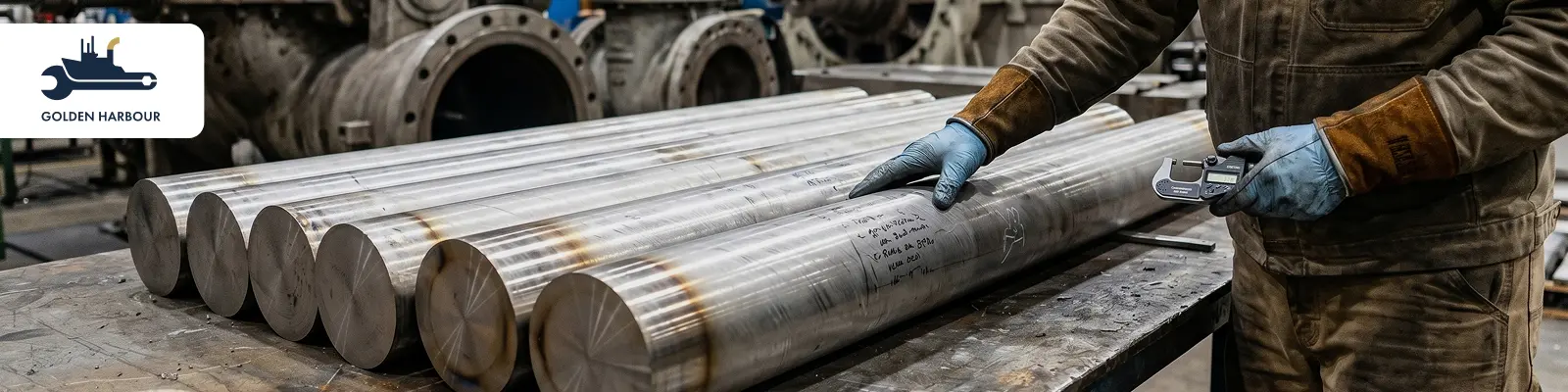
For this reason, materials selection is one of the most crucial decisions made by the power generation sector. Standard metallics may perform adequately under normal operating conditions; however, in applications where the temperature will consistently exceed expectations, it becomes essential to utilise specialised alloys. Such material will maintain strength, resist oxidation, and provide consistent performance throughout the long operational cycles typical of power generation plants.
Golden Harbour supplies a full range of industrial grades of metal, special alloy products, tubing, fittings, and non-ferrous metal materials to many industries that require high functionality and longevity. They encompass thermal power stations and utilities, as well as offshore energy installations. These also include desalination facilities and industrial processes.
With that being said, this blog lists the high-temperature alloys that can be found most commonly. This document will discuss these commonly used alloys, their location of use, and why they are still essential materials used in energy generation today.
Modern energy systems are built for continuous output. That means materials must withstand heat not occasionally, but every day for extended periods.
The right high-temperature-resistant materials help facilities improve:
As plants push for better efficiency and reduced downtime, advanced alloys become increasingly valuable.
Different systems at a plant require different types of material. There is no single alloy that is suitable for all applications. Factors in the selection process include temperature of operation, pressure loads that will be applied to the material, water chemistry, likelihood of corrosion, and maintenance expectations.
Nickel alloys are some of the most reliable high-temperature alloys for power plants due to their ability to retain their mechanical properties at continuously high temperatures. In addition, nickel-based materials have good resistance to oxidation, creep deformation, and thermal fatigue - all leading causes of failure in hot-service environments.
Due to the need for reliable operation for extended periods of time, nickel alloys are frequently selected for critical power generation components where downtime costs are significant and consistent performance is essential.
Check out: Nickel Alloy Products
Due to its outstanding resistance to corrosion, ease of manufacture, and longevity, stainless steel is one of the most useful high-temperature alloys used at energy-generating facilities (plants) worldwide. Stainless steel has proven to work excellently at elevated temperatures, through steam, and at locations that are typically wet or humid.
Because of these characteristics and due to how well the alloy performs across virtually every sector's process systems, it is common to use stainless steels in the manufacturing of equipment as well as for the infrastructure of the plant.
Check out: Stainless Steel Alloys Products
Copper-nickel alloys provide corrosion and biofouling resistance for projects that include the ocean or are near a coast, making them highly desirable for marine and coastal energy applications. In facilities relying on cooling water systems, the use of copper-nickel alloys provides an extended life for equipment as well as a significant reduction in maintenance attributed to the aggressive nature of the water being utilized for cooling.
When it is essential that systems containing water are reliable, Cu-Ni alloys have been an established industrial choice.
Check out: Copper Nickel Alloy Products
Due to its excellent thermal conductivity, aluminium brass is commonly used for heat transfer applications, as well as having good corrosion resistance for use in heated water systems. This combined property aids in enhancing the efficiency and durability of equipment used in cooling circuits and condensers.
For plants where heat exchange performance directly impacts output, aluminium brass remains a practical material option.
Check out: Aluminium Brass Alloy Products
Not all materials in an energy facility are exposed to extreme temperatures. However, many support systems still rely on dependable industrial metals for electrical performance, structural integrity, and mechanical durability.
Copper has high conductivity, which is why it is commonly used in many different types of electrical systems, as well as providing a long-lasting and dependable means for conducting electricity. As transferring electricity to customers efficiently is crucial to energy producers, copper is a fundamental part of electric generators and distribution systems.
Check out: Copper Products
Aluminium is commonly used due to its lightweight characteristics, strength, and corrosion resistance. When it comes to the use of renewable energy, marine structures/civil infrastructure, aluminium provides structural durability without increasing the overall weight of the structure.
In most cases, marine-grade aluminium will provide increased performance in more aggressive exposure conditions compared to standard aluminium.
Check out: Aluminium Products
Bronze is a common choice for use in rotating/reciprocating mechanical applications due to its excellent wear resistance, ease of machine workability, and long lifespan reliability. Bronze also has good frictional and load-carrying characteristics in dynamic motion components.
Check out: Bronze Products
Selecting alloys used in energy plants is rarely based on temperature alone. Engineers also evaluate:
A material that is suited for use in a boiler may not be appropriate when used in a condenser. Similarly, coastal plants usually present different solution requirements than inland plants.
Thus, making a successful material selection is dependent upon actual operating conditions, not just theoretical ratings.
Golden Harbour is a trusted industrial metals products supplier in the UAE and holds the Middle East’s largest non-ferrous stock. The company provides a wide variety of metals for critical applications where continuity of performance is essential, including nickel alloys, stainless steel, copper alloys, brass, bronze, aluminium, along with tubes and fittings.
While Golden Harbour supplies its customers with various materials, it also assists them in determining which material is best suited for their operational needs. They strive to improve lifecycle value and efficiencies for their customers through the use of the most suitable materials in the application.
Power generation uses a variety of different kinds of generators; each type of generator is continuously impacted by various types of operational stresses, such as heat, pressure, etc. As a result, it is critical to use high-temperature materials to help guard against generator breakdowns through increased efficiency and reduced maintenance downtime.
Depending on the generator's specific application, selecting the right alloy for specific power generation materials can affect the long-term value of operation.
For those companies that require high-quality industrial metals and alloys that can meet the need(s) created by the energy sector, Golden Harbour offers high-quality metals with their own unique designs that make them ideal for the harsh conditions found in the energy sector.